Six companies now own roughly 20,000 single-family homes in one North Carolina county. Not a metaphor — an actual count in Mecklenburg County, according to the UNC Charlotte Urban Institute, in the city where I’ve worked in real estate for 22 years.
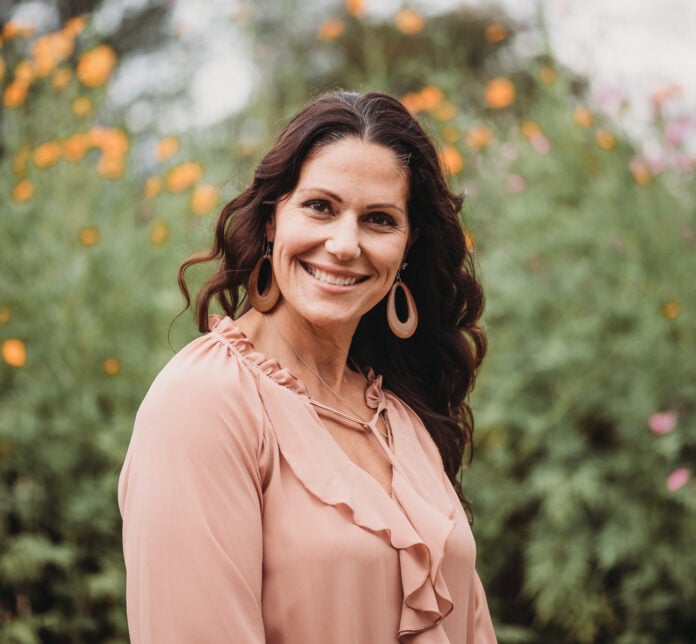
I’m Halah Kablan Ladson, Broker-In-Charge of Queen City Management Services in Charlotte, NC, and I’ve watched this happen street by street. Institutional investors — the Wall Street-backed landlords — didn’t buy mansions. They bought starter homes: the roughly $150,000-to-$300,000 range where first-time buyers and working families used to get their foothold. They bought them with cash, all at once, and they aren’t selling.
The effect on a city like Charlotte is quiet but enormous. When the entry-level inventory gets absorbed by corporations, the families who would have bought those homes rent them instead — often from the same corporation that outbid them. Homeownership, the main way ordinary Americans build wealth, gets harder to reach in exactly the neighborhoods where it used to be easiest. This July, Congress passed the 21st Century ROAD to Housing Act — barring institutional investors that already own 350 or more homes from buying more single-family houses, starting in January 2027. It’s real and it matters. But it doesn’t release a single house already in corporate hands, and it changes nothing until then.
I’m not here to tell you it’s all doom. I manage rentals for a living; I’m not against people renting. But local ownership matters, and the people most affected deserve to understand what’s happening rather than just feel it in their rising rent.
Here’s what I tell the owners and would-be buyers I work with. First, the individual owner still has advantages a corporation can’t buy — responsiveness, local knowledge, a human being who answers the phone. Renters consistently rate that higher than a call center three states away. Second, the freeze on corporate growth is real, and it changes the math for anyone who’s been on the sidelines. Third, this is a moment to be informed, not intimidated. The data is public and the targeted neighborhoods are knowable. Decisions made with real numbers beat decisions made from a headline.
What worries me isn’t that Wall Street is in Charlotte. It’s how few people know by how much. A market this concentrated shapes everything downstream — prices, rents, who gets to own and who only gets to rent — and most of the people living inside it have never seen the number. Twenty thousand homes. In one county. That’s the story I think more Charlotteans should be paying attention to.
Halah Kablan Ladson is the Broker-In-Charge of Queen City Management Services in Charlotte, NC, licensed in North and South Carolina with 22 years in real estate. She writes about the Charlotte market at qcmscharlotte.com.