Key Takeaways
- Choose a Taiwan tour by reading the meal plan first, not the sightseeing list. If food is the main reason for the trip, the itinerary should name real market visits, tea experiences, and sit-down meals instead of vague “local cuisine” stops.
- Prioritize pacing in any Taiwan tour itinerary. A good food-first trip protects appetite, limits long hotel check-ins and airport transfer drag, and leaves enough breathing room to enjoy lunch, tea, and dinner without rushing.
- Compare a culinary Taiwan tour against standard package tours before booking. Generic tours often squeeze food into short market visits, while stronger tours build the entire trip around where, when, and how people actually eat.
- Check whether the Taiwan tour includes tea culture as part of the main story. For travelers who care about taste, a proper itinerary should connect meals with oolong, snack traditions, and the heritage behind what ends up on the table.
- Match the number of days to the kind of food trip planned. Five days can work for a focused Taiwan tour, but seven to ten days gives enough time for markets, hands-on tastings, rest breaks, and mixed-age travel comfort.
- Use red flags to filter out weak Taiwan tours fast. If the package hides restaurant details, piles on filler attractions, or treats food as an afterthought between airport pickups and hotel changes, it’s probably the wrong trip for serious eaters.
Food has become the deciding factor in more long-haul vacations than most tour companies still admit, and that changes how a taiwan tour should be chosen. If the meals are the memory, then the usual checklist trip—temple, photo stop, souvenir break, repeat—won’t cut it. Serious travelers know the difference. They’re not flying for a generic package and one rushed night market lap; they’re going for broth with depth, tea with structure, and dishes that actually explain a place.
That shift matters even more for families planning across generations. Grandparents may want comfort and a proper seat at lunch, parents want reliability and smart pacing, and children need flavor without fatigue (or a three-hour forced march between snacks). A good food-first itinerary respects all of that. In practice, the best trips don’t treat meals as breaks between attractions—they build the story around the table, the market stall, the tea house, and the cook who still makes one heritage snack the old way. And right now, as culinary travel keeps pulling attention away from cookie-cutter sightseeing, choosing the right tour has become less about seeing the most and more about tasting what’s actually worth the time.
Why a food-first Taiwan tour matters more right now
A family of eight starts planning a reunion trip. The grandparents want comfort, the parents want culture, and the children want something fun every day. Once food becomes the center of the plan, the whole taiwan tour suddenly makes sense.
That shift matters right now because travelers aren’t booking around landmarks alone. They’re building an itinerary around what they’ll taste, where they’ll sit, and how each meal can carry a story.
Taiwan’s food reputation has moved beyond night market clichés
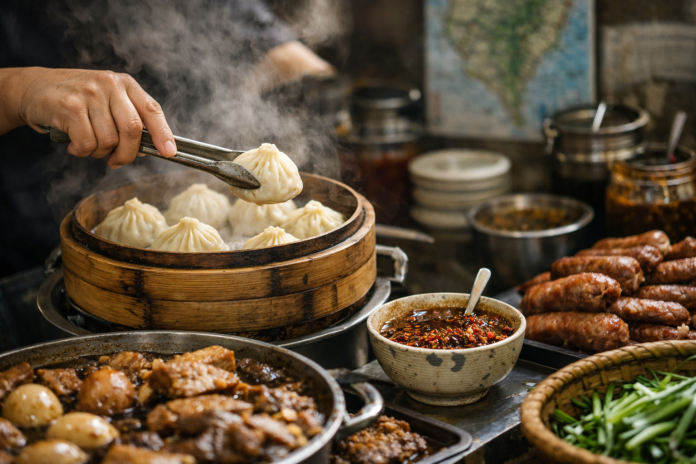
Taiwan still earns praise for market snacks, but serious travelers now expect more than a quick walk past stalls. They want tea house rituals, regional dishes, old house kitchens, and restaurant meals that explain heritage through flavor. That’s why taiwan cultural travel and a smart food-first taiwan tour now fit together so well.
News, social buzz, and rising culinary travel have changed what travelers expect
Social feeds, travel media, and airline route chatter have pushed culinary trips higher on the wish list—especially for travelers comparing holidays across Asia. In practice, a food-led plan works best when it’s paced well, which is why taiwan private travel keeps gaining attention among families who don’t want a rigid package.
Three signs expectations have changed:
- More depth: travelers ask for cooking classes, tea tastings, and market context.
- More comfort: a tailor made taiwan tour allows rest breaks, better hotel choices, and flexible meal timing.
- More range: families often mix taiwan luxury travel with one soft taiwan adventure tour, then return to the table.
Why a food-focused itinerary works especially well for mixed-age travel groups
Food gives every generation a role.
Elders share memory, parents ask questions, children try pineapple cake or dumpling folding (usually with sticky fingers), and nobody feels dragged through a checklist. That’s the honest appeal of a food-first taiwan tour—it creates shared time without forcing the same energy level on everyone.
Real results depend on getting this right.
How search intent shapes the right Taiwan tour choice
Most people typing taiwan tour into search don’t yet know what kind of trip they actually want.
- They want a shortcut. The first search is usually about time, not taste: flights, airport transfers, hotels, an itinerary, maybe even a package that looks easy on paper.
- They use broad words for specific hopes. A family may say tour but mean food markets, tea houses, a grandparent-friendly hotel, and enough flexibility for children to rest before dinner.
- They confuse coverage with quality. Seven days packed with temples, shopping, and a weekend photo stop isn’t the same as a trip built around meals that tell a story.
What people usually mean when they search for a Taiwan tour
In practice, that search often blends taiwan cultural travel with comfort and logistics. They may compare airlines, glance at a Hyatt or Howard listing, check whether flights from Hong Kong, Shanghai, or Seattle arrive at a convenient hour, then assume the tour choice comes later. For food-led travelers, it should come first.
Why package tours often disappoint serious food travelers
Standard packages usually chase landmarks, not appetite. They move too fast—market for 30 minutes, dinner at a safe hotel restaurant, then back on the bus. That’s weak for taiwan private travel, and it’s worse for anyone hoping to understand tea, noodles, banquet dishes, or heritage snacks beyond a quick tasting.
The difference between a sightseeing trip and a culinary Taiwan itinerary
A real food-first plan leaves room for markets, slow lunches, and regional cooking. A tailor made taiwan tour works better because it can also fold in taiwan luxury travel or even a light taiwan adventure tour without burying the meals that mattered in the first place.
What to look for in a Taiwan tour if meals are the main event
Food-first trips fail fast.
A glossy brochure can promise night markets, tea house stops, and grand hotel dining, but a smart taiwan tour is judged by what happens between meals—and whether people still have the appetite, time, and energy to enjoy them.
A strong itinerary should balance street food, market stops, tea, and sit-down meals
A good itinerary doesn’t stack five heavy tastings before noon. It should mix street food, produce markets, tea service, and one slower sit-down meal, with 2 to 3 hours between major eating stops. That’s where taiwan cultural travel starts to feel real, not staged.
Good tour pacing matters as much as restaurant quality
Bad pacing ruins good food. The better taiwan tour leaves room for a late breakfast after airport arrival, a lighter market lunch, then a proper dinner—rather than stuffing the day like a package built for photos. For families, this matters even more (grandparents won’t want a standing-only snack crawl at 9 p.m.).
Experience makes this obvious. Theory doesn’t.
Hotel, airport, and transfer planning affect how well people actually eat
Hotel choice shapes the whole trip: early departures from a far airport hotel often mean skipped breakfasts, rushed transfers, and weaker meals on day one and day two. In practice, strong taiwan private travel planning means checking transfer times, luggage handling, and whether the day’s first tasting lands before hunger turns into fatigue.
Why guide knowledge matters more than a glossy tour package
The honest answer is simple—a polished brochure won’t tell people which market stall has the clean broth, which tea house pours older oolong, or when a famous stop is all queue and no flavor.
A real guide should know:
- which dishes are worth waiting 20 minutes for
- which meals need reservations 2 to 4 weeks ahead
- when a taiwan luxury travel plan should swap formality for better taste
That judgment is what separates a generic tour from a tailor made taiwan tour—and even from a taiwan adventure tour with food added as an afterthought.
Which food experiences should be built into a Taiwan tour itinerary
Roughly 70% of travelers who say food is their top reason for a taiwan tour still end up with an itinerary built around dinner alone. That misses the point. The real story starts early—at the market stall, in the lunch house, over tea, and then again after dark when dinner tours show what locals actually eat across a full day.
Morning markets, lunch houses, and dinner tours create a fuller food story
A strong itinerary should cover three daily rhythms, not one. Morning markets reveal ingredient culture, lunch houses show everyday cooking, and dinner tours bring in night-market energy and slower, sit-down meals.
- Morning: fruit stands, soy milk shops, steamed buns
- Lunch: noodle houses, dumpling rooms, seafood rice shops
- Dinner: market tastings, banquet dishes, late snacks
In practice, this works better for multi-generational groups because grandparents can enjoy daytime tastings while children stay engaged with variety. It also helps a tailor made taiwan tour feel like a real trip, not a package built from three famous stops.
Tea culture belongs in the itinerary, not as an add-on
Tea shouldn’t be squeezed between airport transfer — hotel check-in. On a food-first taiwan tour, tea explains pacing, hospitality, and how flavors are understood. That matters for families exploring taiwan cultural travel through taste, not museum labels alone.
Simple idea. Harder to get right than it sounds.
Done well, tea also fits taiwan private travel and taiwan luxury travel—not because it’s fancy, — because seated tasting gives older travelers a break while younger family members still get a sensory experience.
Regional dishes, heritage snacks, and hands-on tastings reveal the real trip value
The honest answer is simple: one cooking class or snack tasting can teach more than four restaurant bookings. Look for heritage snacks, seasonal sweets, and one hands-on element (dumplings, pineapple cakes, tea roasting) in the itinerary.
How to judge whether a tour includes tourist food stops or places locals return to
Ask blunt questions. Are stops chosen for social media, or for repeat local customers? A good operator can explain why one house beats another—broth depth, older recipe, shorter menu, faster turnover. Even a family wanting a taiwan adventure tour should expect that level of food judgment.
How many days a food-first Taiwan tour really needs
Like explaining it to a smart friend over coffee: a food-led taiwan tour needs more time than people think, because eating well isn’t just about meals. It’s market hours, hotel check-in, airport transfers, and the simple fact that the best bites rarely sit next door to each other. The honest answer? Five days is a taste. Seven days starts to feel like a trip. Ten days gives the itinerary room to breathe.
What can realistically fit into 5 days, 7 days, and 10 days
In practice:
- 5 days: one major city, one night market, one cooking class, two standout restaurant bookings, and maybe a tea house.
- 7 days: enough time for regional dishes, slower market mornings, and one heritage stop that adds context to the plate.
- 10 days: the sweet spot—street food, banquet-style meals, tea, seafood, snacks, and rest between heavy eating.
How flights, airport arrival times, and hotel changes can waste prime eating time
Arrival timing changes everything. Land late, reach the hotel, unpack, — the famous lunch window is gone. Switch hotels twice on a 5-day taiwan tour, and prime eating hours disappear—fast. Even families eyeing a scenic add-on like a taiwan adventure tour should protect meal slots first, then build the itinerary around them.
For more great reading, visit our site and explore related topics.