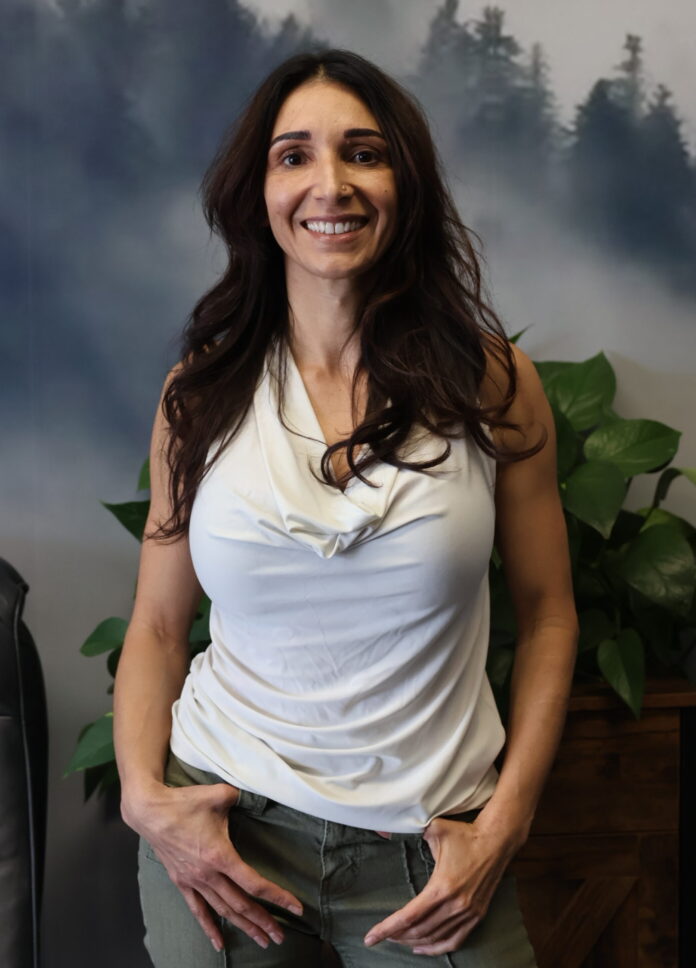
A Provider’s Breaking Point With the Traditional System
For years, Courtney Contreras worked inside the fast paced world of surgical and emergency medicine. The experience was rewarding but also revealing. She witnessed a healthcare system increasingly driven by insurance requirements, rushed patient visits and decisions shaped more by billing codes than by clinical judgment.
Over time, the disconnect became impossible to ignore. Patients were often priced out of care while clinicians struggled with growing administrative burdens and burnout. Rather than accept the status quo, Contreras made a decision that many healthcare professionals only contemplate. She walked away from a six figure medical career to build a new kind of practice.
Her goal was simple but ambitious. Restore the relationship between provider and patient.
Building A Clinic Around Time, Transparency And Access
Contreras launched a Direct Primary Care clinic in rural Arizona, a model that removes traditional insurance billing from routine primary care. Instead, patients pay a straightforward membership fee that covers visits, communication with their provider and many core medical services.
The approach allows clinicians to spend more time with patients and offer predictable pricing. For many communities, especially those outside major metropolitan areas, the model also improves access to care.
Within two years, the clinic demonstrated strong financial and operational momentum. Revenue grew from fifty thousand dollars in its first year to half a million dollars by year two, proving that a patient centered model could also be sustainable for providers.
The clinic’s growth also highlighted something larger. Direct Primary Care could work beyond large urban healthcare networks.
Turning A Local Model Into A National Movement
After establishing the clinic, Contreras expanded her efforts by launching The DPC Launch, an education and mentorship platform designed to help other clinicians build similar practices.
Through structured courses and live mentorship, physicians, nurse practitioners and physician associates across the United States are learning how to implement the Direct Primary Care model in their own communities.
Orthopedic physician Dr. Jacob Oldham and the patients served by the clinic have also played an important role in validating the model’s effectiveness. As more providers adopt the approach, the initiative has evolved from a single clinic into a growing national movement focused on rebuilding primary care from the ground up.
The timing is notable. Healthcare systems across the country are grappling with physician shortages and rising burnout. For many clinicians, alternative care models are no longer theoretical solutions but necessary innovations.
Contreras believes the answer begins with redefining who healthcare should prioritize.
“Healthcare only has two essential players, the patient and the provider,” she says. “Any system that makes them secondary to billing codes and bureaucracy isn’t just inefficient, it is broken.”
A New Blueprint For Primary Care
Direct Primary Care is still a developing segment of the healthcare industry, but its appeal is growing as providers look for ways to regain autonomy while delivering better outcomes.
What began as a small rural clinic in Arizona is now helping clinicians across the country reimagine how primary care can work.
If the momentum continues, models like this may represent not just an alternative system but the foundation for the next era of patient centered healthcare.
Learn More
DPC Launch
https://thedpclaunch.com
Additional resources
https://dpc411.com
Instagram: @Pa_Courtney.C
TikTok: PA_Courtney