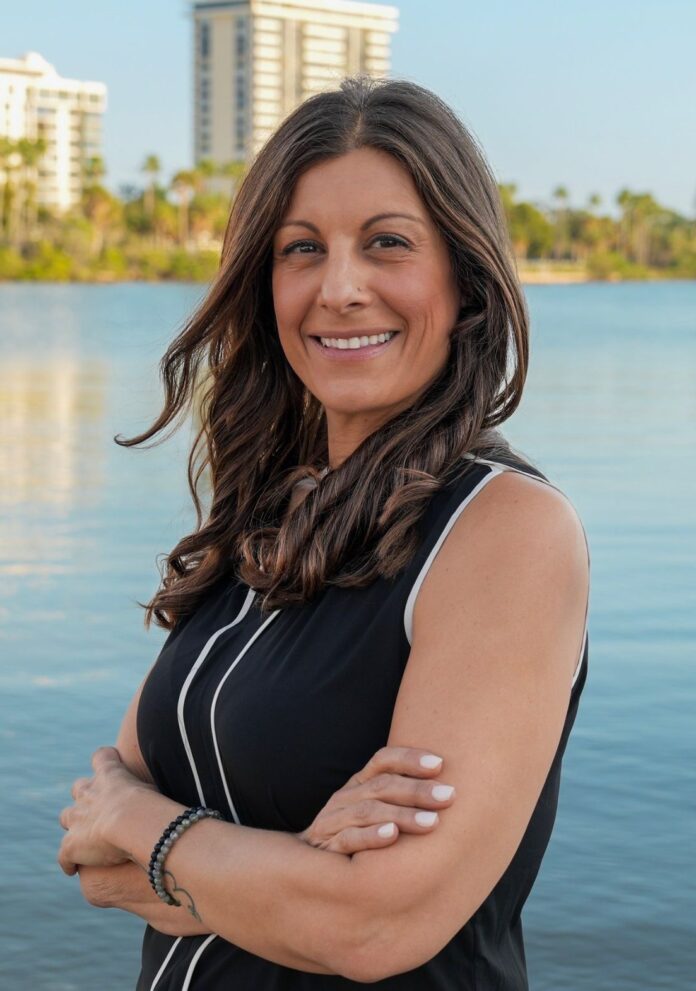
In the world of end-of-life care, few stories are as deeply personal—or as profoundly purposeful—as that of Christa McDonald, founder of GLADD (Grieving Loss After Death and Dying) and Soul Worker, two online platforms dedicated to supporting those navigating the difficult terrain of grief.
Over the course of more than two decades, Christa has worn nearly every hat in the hospice care system—from EMT and emergency room nurse to hospice house founder and national travel nurse. But it was a personal tragedy—the death of her stepfather—that became the catalyst for a new chapter: launching a national bereavement nonprofit that aims to change how we grieve.
A Calling Born in Hospitals and Hospice Homes
Christa’s story begins in the hallways of the hospital where she was born. At just 13 years old, she volunteered as a candy striper alongside her mother, a retired nurse. “That’s when death and dying first became a visible part of my world,” she recalls. By age 16, she was studying to become a nursing assistant and caring for hospice patients, including her own grandparents.
After becoming an EMT at 18, Christa’s first call was nothing short of harrowing: a man shot 12 times. “Those years in emergency care showed me the darkest parts of life,” she says. “But they also taught me how to be a light in those moments.”
Christa went on to become a registered nurse, eventually joining the Visiting Nurse Service of New York. Her career in hospice evolved organically, driven by a passion for helping patients and families face the most difficult goodbye.
She has since helped thousands of individuals transition from life to death, working in every imaginable role in hospice—clinician, trainer, manager, and founder.
The Grief That Changed Everything
Despite her years of experience with death, nothing could prepare Christa for the emotional impact of her stepfather’s passing in April 2025.
“I was with him when he died, just the two of us,” she says. “And despite all the training and all the experience, I was lifeless for a month afterward. There was no support from the hospice team, no family—just silence.”
That silence became the seed for GLADD.
“GLADD came from God,” she says. “I realized I had become so good at helping people die peacefully, but I had never fully understood how crippling grief can be on the other side. This nonprofit is for all the patients and families I never got to help beyond the moment of death.”
A Digital Sanctuary for the Grieving
GLADD is not just a program—it’s a 7-day-a-week online support system, built for anyone navigating loss. Christa’s second venture, Soul Worker, offers coaching and guided bereavement programs to support long-term healing.
Her vision is clear: to normalize grief, to show people that mourning isn’t about letting go, but about finding new ways to stay connected.
Building an online brand, however, has not been without its challenges.
“I’m great with people, but tech is not my strong suit,” Christa laughs. “Social media, websites, learning how to host online meetings—I’ve been learning as I go.”
But even in the face of obstacles, she refuses to stop. “Don’t quit. Don’t stop learning. Find the right team. Finding Paul [her recent collaborator] feels like a game-changer.”
Burnout-Proof: Living What She Teaches
As someone who’s worked in high-stress, emotionally demanding environments, Christa takes self-care seriously.
“I box 3 to 4 times a week—just the bag, no people,” she jokes. She also practices yoga and Transcendental Meditation daily, follows a plant-based diet, avoids alcohol, and prioritizes time at the beach. “My mindset now is: live like I’m dying.”
That same mindset underpins her business. With grief support becoming more essential than ever in a post-pandemic world, Christa is focused on scaling her services—and eventually launching a “Dream Come True” foundation to help bereaved individuals find joy again.
What’s Next?
While her websites and marketing materials are still being developed, Christa’s domain is already secured:
🌐 www.christamcdonald.com
Her message to the world?
“Grief isn’t about letting go. It’s about staying connected, in new ways. And no one should have to grieve alone.”