Long before the world called it research, it began with a simple, human observation an ache, a curiosity, and a desire to understand the conversations shaping people’s lives when the world felt like it was falling apart.
In 2020, when the pandemic forced Nigeria indoors, daily life morphed into something unfamiliar. Markets were silent, church gates locked, offices reduced to glowing laptop screens. Families clung to their phones not just for news, but for connection, comfort, and reassurance. And in the middle of that digital refuge was Twitter loud, unpredictable, emotional, yet strangely comforting. It became the heartbeat of the nation when human interaction was rationed.
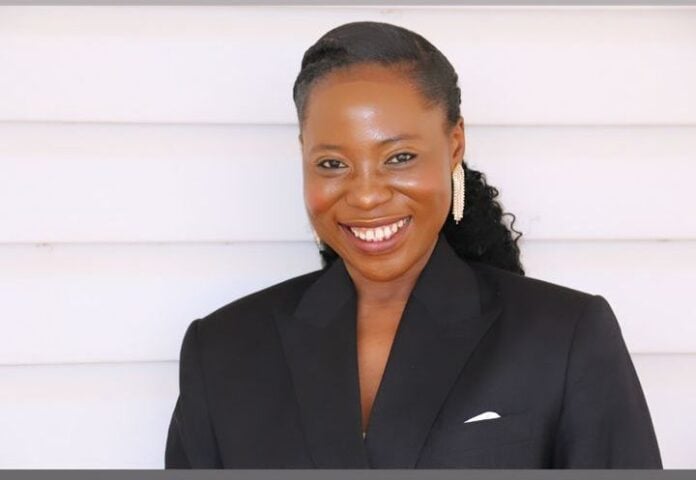
For Mary Adelua, this wasn’t just a social shift, it was personal. She watched friends turn to Twitter for answers companies weren’t providing anywhere else. She saw small businesses plead for support through hashtags, customers cry out after failed services, and corporations scramble to sound human in moments their audiences were frightened and vulnerable.
Mary felt something many overlooked: this wasn’t just social media, this was survival, communication, and trust evolving right before our eyes.
Fueled by that conviction, she embarked on what would become a defining academic journey: “Twitter Usage During Global Pandemic and Corporate Reputation in Nigeria,” now proudly published in Heliyon. But behind the publication lies a deeper purpose, a desire to preserve the stories of how Nigerians leaned on digital conversations to stay informed, hopeful, and heard.
Mary didn’t approach Twitter as a statistic or a trend. She saw it as a living diary of human emotion. A place where fear was typed at 2:00 a.m., where corporations could either calm a nation or lose its trust in mere seconds. She studied not only what companies posted, but how people felt about it their anger, their appreciation, their disappointment, their relief.
And what she discovered was powerful:
In a crisis, communication is not a corporate strategy, it is an act of humanity.
Tweets from companies were more than PR, they were lifelines. A kind word eased anxiety. A slow response fueled outrage. A sincere apology restored faith. And above all, authenticity wasn’t optional, it was everything.
Companies that showed empathy earned more than followers, they earned loyalty. Those that treated Twitter like a billboard instead of a conversation lost what no money could buy: trust.
Mary’s research speaks to a truth every Nigerian felt but hadn’t yet found words for: the internet, especially Twitter, has become the nation’s town square, complaint desk, counselor, and news outlet all in one. For millions of young Nigerians, a brand’s online presence is no longer a reflection of its image, it is its image.
What makes her work truly groundbreaking is the lens through which she told this story. Not from Silicon Valley, London, or Beijing, but from Nigeria. She made sure the world heard an African voice explain how digital communication shapes reputation in emerging markets, a voice too often missing in global research conversations.
Her study doesn’t just inform it inspires. It calls on companies to remember the human beings behind the trending hashtags, the consumers behind the metrics, the communities behind the clicks.
In capturing the digital pulse of Nigeria during one of the most emotionally fragile moments in history, Mary Adelua has given us more than research. She has given us a reminder of what truly holds society together when life feels uncertain: empathy, connection, and the courage to speak.