One hundred pounds is the figure that shows up when the practice of Leo Lapuerta, MD, FACS, describes who seeks skin removal after weight loss. The practice calls the surgery common among people who lose that much or more, and more common still among bariatric weight loss patients.
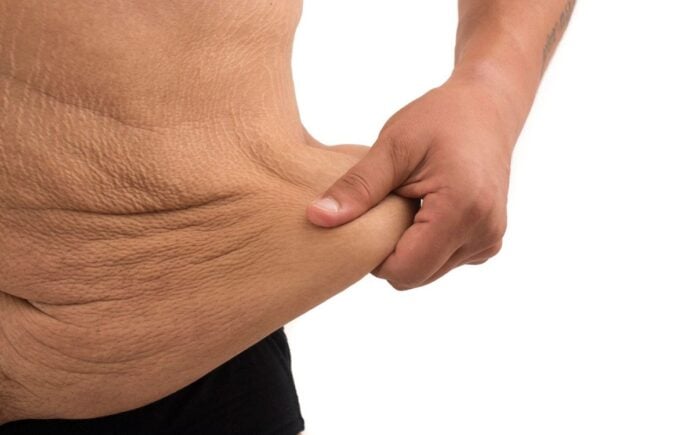
Skin that stays stretched over a larger body for years does not always retract once the weight is gone. The practice’s page on surgery after weight loss describes the result as loose and hanging skin that can affect the breasts, abdomen, hips, buttocks, thighs, arms and neck. A tummy tuck answers part of that picture. For some patients, a lower body lift answers more of it.
The weight comes first
Before any of these operations, the practice looks for weight that has stopped moving. Candidates should no longer be trying to lose weight and should have held the same weight for somewhere between six months and a year. A patient who is still losing, or who is prone to regaining, will be advised to wait.
The reason is the durability of the result. The practice warns that gaining weight can reverse the outcome, and its tummy tuck guidance says ongoing fluctuations can change it as well. Good overall health and realistic expectations round out the criteria.
When the abdomen is the main concern
The practice calls the abdomen a common storage site for excess fat, so the skin there can end up very stretched. A tummy tuck removes excess abdominal skin, tightens weakened or separated muscles and reshapes the midsection. According to the practice, the operation helps after significant weight loss when that loss leaves excess skin, hanging tissue or contour irregularity.
Some patients need a standard tummy tuck. Others need an extended tummy tuck, which carries the excision beyond the front of the abdomen and into the sides when the skin redundancy wraps that far. The practice describes the extended version as more extensive surgery that can produce a more complete result for the right contouring pattern.
For skin that hangs low enough to rub against other skin and cause rashes, irritation or open wounds, the practice describes a panniculectomy. The practice notes that these patients may not be at their ideal weight yet, and that a surgeon can perform it alongside liposuction and a tummy tuck.
When the loose skin wraps around
Loose skin after weight loss can extend well past the front of the body. The practice describes excess skin and stubborn fat on the hips, sagging buttocks, and loose skin around the knees and inner thighs. A lower body lift addresses those areas together. The operation begins at the back, and the surgeon repositions the patient during surgery to treat the buttocks and the front of the thighs.
Many patients pair a lower body lift with a panniculectomy and abdominoplasty to treat the whole region at once. That combination fits a body where loose skin continues around the hips and back, areas a tummy tuck alone does not reach, since the practice describes that operation as focused on the front of the abdomen.
Why the work is often staged
Multiple areas often need attention, and the practice notes that most surgeons group body regions and stage them across separate surgeries. Staging helps reduce the risk of complications such as blood loss and infection. The practice gives two typical groupings:
- Upper body: liposuction, breast lift, tummy tuck and arm lift
- Lower body: liposuction, butt lift, thigh lift and lower body lift
The surgery takes place under general anesthesia in an accredited facility. Dr. Lapuerta owns and operates a QuadA accredited surgical facility and works with physician anesthesiologists only. The practice says the procedure can last up to five hours depending on the areas treated, and that the surgeon may place a drain to remove fluid.
What recovery asks
The practice describes recovery after skin removal surgery as slow. Patients usually spend the night in the hospital for monitoring, need help at home for the first few days, and can expect to return to work after about a week. Exercise and strenuous activity wait at least a few weeks, and full recovery takes about two to three months. Scarring is part of the process, and like any surgery, these operations carry risks.
Dr. Lapuerta, a triple board-certified plastic surgeon with more than 30 years of experience and more than 30,000 procedures, reports a pattern from follow-up visits with patients who arrive with a spouse or partner. Partners who did not see the need at consultation later describe greater energy, renewed interest in healthy eating and exercise, and a return of the patient’s earlier vibrancy. For someone who has already done the hard work of losing the weight, that account speaks to what the final step can change beyond the mirror.
This article is for general information only and is not medical advice. Results vary from patient to patient. Consult a board-certified plastic surgeon or your physician about your own situation. Written in partnership with Joseph Lambert, a publicist working with Leo Lapuerta, MD Plastic Surgery.