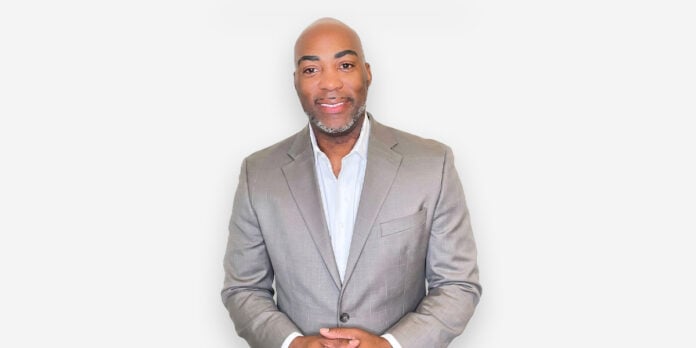
Che Jordan, Chief Operating Officer of Guided Paths, leads a Virginia behavioral health provider service built around community-based care. Guided Paths serves Richmond and Hampton Roads. Its counselors provide support and training in homes and community settings for people with mental health diagnoses. The Virginia Department of Behavioral Health and Developmental Services licenses the organization.
Bringing Behavioral Health Support Into Daily Family Life
For families facing serious youth mental health challenges, the setting of the care can matter. Home is where routines break down, conflict can rise, and communication patterns become clear. It is also where new skills must eventually work. Guided Paths brings structured support into that setting through Intensive In-Home (IIH) services. The approach can give clinicians a closer view of daily family life. It can also give families space to practice skills where they will use them.
Why Intensive In-Home Support Matters for Youth Mental Health
Virginia Medicaid describes Intensive In-Home services as therapeutic interventions for youth under age 21. Providers deliver care mainly in the youth’s residence, using community settings when clinically necessary. Their goals include improving family functioning, stabilizing the youth, reducing significant functional problems, and helping prevent placement outside the home. State guidance also requires family participation and, when appropriate, a planned transition to a lower level of care.
That structure matters because youth mental health challenges often affect the entire household. A treatment plan may look clear on paper. Applying it during a tense evening or difficult morning can be harder. In-home work creates a setting for guided practice and addresses communication, problem-solving, anger management, and interpersonal skills in context. Virginia’s IIH guidance specifically calls for communication training and family counseling.
Guided Paths offers IIH for children, adolescents, and young adults ages 5 through 21. The service is time-limited and coordinated with other needed care. That can include family counseling and outpatient therapy. The aim is to help young people remain stable at home when their clinical needs call for intensive support.
How Che Jordan and Guided Paths Structure IIH Services
Guided Paths describes its IIH program in terms of practical family and clinical goals. The model focuses on changes observable in everyday life. Its stated IIH goals include:
-
Improving family dynamics.
-
Providing modeling that can show healthier responses and routines.
-
Improving interpersonal relationships among family members in the home.
-
Using clinical interventions to improve day-to-day functioning.
These goals align with Virginia’s IIH service framework. State guidance calls for work that improves family dynamics and supports the youth’s functioning. It also requires an individualized service plan and care coordination. Families get a defined course of care, rather than an open-ended service with unclear goals.
Family Participation Turns Treatment Into Daily Practice
One of IIH’s strongest features is the caregiver’s role. Virginia Medicaid requires at least one parent, legal guardian, or responsible adult in the home to take part. The goal is to support the young person while strengthening the family’s response to difficult moments. This makes the household an active part of treatment.
Guided Paths coordinates IIH with counseling and outpatient providers when needed. It also offers Mental Health Skill Building and Crisis Stabilization for eligible adults. Those services are separate from youth IIH. Together, the service menu reflects a wider focus on functioning, stability, and community-based support. Virginia Medicaid is also redesigning its community mental health services.
Guided Paths was selected for the 2026 BNS Best in Business Award for Personalized Behavioral Health Support Services in Virginia. In the news feature, one client was quoted describing Guided Paths as ‘professional and organized’ and adding, ‘I don’t know what I would have done without you.’ They highlight the value of reliability during demanding periods of care.
A Future Built Around Stability at Home
Intensive In-Home support does not remove every challenge a family faces. Its value comes from focused care during a period when the risk of disruption may be high. Professionals can work with the child and family in the setting where many problems usually occur. Caregivers can practice skills that support safer communication and stronger routines.
For Che Jordan, community-based behavioral health is central to his current leadership work. At Guided Paths, he supports partnerships, expands community-based programs, and shapes systems for people facing mental health and related challenges. In the IIH setting, that focus becomes practical. Care comes closer to the family. Goals are tied to daily functioning.
Many factors can shape a child’s future. Timely support is one of them. Family participation is another. For Guided Paths, IIH brings those pieces together in a structured service designed to support stability at home. The Guided Paths team places that work where family life happens, with care that is coordinated, specific, and focused on the next workable step.
Connect with Che Jordan on Instagram to follow his work in behavioral health and community-based care.