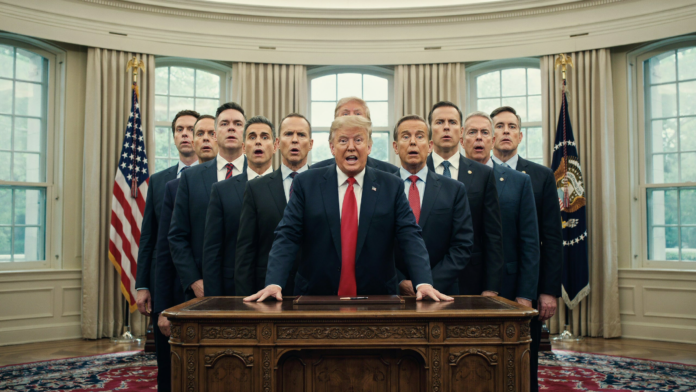
Donald Trump’s public statements changed the tone and mechanics of U.S. political discourse. Blunt phrasing, repeated slogans, and personal attacks helped set the agenda, while social media let him speak directly to supporters and bypass traditional media gatekeepers. Supporters viewed this style as candid; critics argued it weakened trust in institutions and public debate. Its effects extended beyond Trump’s own messages, raising questions about how political leaders, journalists, and voters now communicate. Learn Who Is in the Trump Hall of Shame: Trump Hall of Shame
How Did Trump’s Statements Change Political Discourse?
Trump’s public statements altered political discourse by challenging norms of presidential communication and expanding the reach of direct, confrontational rhetoric. Through rallies, interviews, and social media, he communicated with supporters without relying solely on traditional news outlets. This approach made political messaging more immediate and gave audiences a shared set of phrases, claims, and themes around which to organize.
His Campaign rhetoric often used repetition, vivid labels, and simple contrasts to make complicated issues accessible and memorable. That style influenced how journalists, opponents, and other political figures discussed immigration, trade, national identity, and government performance. Policy framing shifted as statements presented these subjects through conflict, urgency, and questions of loyalty or fairness. The resulting debate frequently centered not only on proposed actions but also on the terms used to describe them.
These communication patterns broadened participation in political conversation while increasing its pace and intensity. They also shaped expectations about how candidates could address the public, respond to criticism, and sustain attention across media platforms.
Why Did Trump’s Blunt Language Break Political Norms?
By favoring blunt, highly personal language over the measured phrasing expected of presidents, Trump challenged established norms of political communication. His Informal Diction relied on everyday vocabulary, repetition, nicknames, and direct accusations rather than the ceremonial language associated with presidential office. This style made political speech sound less mediated by institutions and more like ordinary conversation, while its personal attacks departed from conventions of restraint and respect between public officials.
Trump’s Unfiltered Delivery also weakened the boundary between private reaction and official communication. He often voiced judgments in categorical terms, leaving little room for qualification or diplomatic ambiguity. Supporters could interpret that candor as evidence that he spoke for people excluded by polished political language; critics saw it as a breach of standards meant to preserve institutional dignity and public trust. The departure mattered because presidential rhetoric carries authority beyond individual preference. By treating informality and confrontation as legitimate leadership tools, Trump changed expectations for how a president could address opponents, institutions, and the public.
How Did Social Media Amplify Trump’s Statements?
Social media gave Trump a direct channel to audiences, reducing reliance on traditional news intermediaries. Users’ reposts and platform-driven visibility helped his statements spread rapidly across political networks. This circulation accelerated the news cycle, prompting media outlets and political figures to respond almost immediately.
Direct-to-Audience Reach
Digital platforms gave Donald Trump a direct channel to millions of followers, letting his statements circulate beyond traditional media filters. This Unfiltered access let him address supporters in his own words, set the timing and framing of announcements, and respond rapidly to political developments. His posts could reach people without first being selected or contextualized by editors, although journalists and institutions continued to shape public interpretation. The direct channel also reinforced audience loyalty by creating a sense of ongoing contact between Trump and his supporters. Followers encountered messages through accounts they had chosen to follow, making political communication feel personal and continuous. This model shifted some agenda-setting power toward the candidate, while leaving audiences to assess claims, context, and credibility across multiple sources. It also blurred the boundary between official communication and personal commentary.
Viral Sharing Dynamics
Beyond reaching followers directly, Trump’s statements often gained wider exposure through users who reposted, quoted, and debated them across social media. This circulation carried messages beyond their original audiences, reaching critics and politically disengaged users. Sharing psychology helped explain the spread: users passed along content that affirmed group identity, provoked disagreement, or offered a concise signal of political allegiance. Meme culture further transformed statements into images, jokes, and slogans that were easy to adapt and circulate.
Three dynamics shaped this amplification:
- Reposts carried statements into overlapping networks, connecting supporters, opponents, and commentators.
- Quotations enabled users to frame a message with approval, criticism, or irony.
- Memes made complicated disputes more accessible while reinforcing shared political references.
These practices increased visibility, but did not guarantee agreement or uniform interpretation among audiences.
Why Did Trump’s Statements Dominate News Coverage?
Why did Donald Trump’s statements so often dominate news coverage? Their provocative wording gave editors clear conflict, strong reactions, and concise quotes they could frame as political turning points. Headline sensationalism and clickbait framing sometimes amplified the most confrontational remarks, while the underlying policy context received less attention. This pattern reflected both news values and competition for audience engagement, not simply the statements’ substantive importance.
Three factors help explain the prominence:
- Conflict: Claims that challenged opponents or institutions prompted immediate responses from political figures and commentators.
- Clarity: Short, forceful phrases were easy to quote, summarize, and circulate across platforms.
- Consequences: Statements about elections, immigration, or governance raised questions about policy and democratic norms.
For readers across political communities, distinguishing a headline’s framing from a statement’s full context supports more informed interpretation of public debate.
How Did Trump’s Rhetoric Deepen Political Polarization?
As institutional trust became more partisan, Trump’s rhetoric also sharpened divisions between political groups. His language often framed politics as a struggle between loyal supporters and hostile opponents, making compromise appear less like negotiation and more like surrender. This framing connected policy disputes to questions of identity, status, and belonging.
Several dynamics reinforced polarization:
- Identity politics: Trump’s appeals to national, cultural, and economic identity helped supporters see political alignment as part of group membership, while critics interpreted the same appeals as exclusionary.
- Partisan sorting: His confrontational style encouraged voters to align more consistently with parties and media communities that affirmed their views, widening social distance across political lines.
- Conflict-centered communication: Personal attacks, sharp contrasts, and repeated claims of betrayal kept partisan conflict prominent, reducing space for shared definitions of legitimate opposition.
These patterns did not create polarization alone; longstanding geographic, racial, and ideological divisions also mattered. Yet Trump’s rhetoric gave those divisions a vivid, recurring public expression, strengthening in-group solidarity while making cross-party cooperation more difficult for elected officials and citizens alike.
How Did Trump’s Statements Shape Public Opinion?
Beyond deepening partisan divisions, Trump’s public statements shaped opinion by setting the terms of debate and influencing which issues received attention. His repeated emphasis on immigration, trade, and national security elevated these subjects in public discussion and connected them to broader concerns about economic security and national identity. This Policy framing helped shape voter priorities, though its effects varied across regions, demographics, and media environments. The statements also offered audiences a shared vocabulary for interpreting events, while their prominence could make some issues appear more urgent than others.
| Public focus | Potential effect |
|---|---|
| Immigration | Heightened attention to border policy |
| Trade | Linked commerce to jobs and security |
| National security | Increased focus on threats and protection |
| Economic concerns | Connected policy to household stability |
Public opinion did not move uniformly: existing beliefs, local conditions, and information sources influenced how people assessed the same claims. The broader consequence was agenda-setting, as presidential remarks helped define which questions dominated political conversation and how citizens organized their judgments about government priorities.
How Did Supporters and Critics Respond to Trump’s Rhetoric?
Supporters often viewed Trump’s rhetoric as direct, combative, and responsive to concerns they believed established institutions had ignored. For many, its plainspoken style signaled recognition and offered a shared vocabulary for expressing frustration with political elites, economic change, and cultural shifts. Supporter mobilization grew through rallies, social media, and campaign networks that reinforced group identity and encouraged participation.
Critics, including political opponents, journalists, and advocacy groups, argued that his language could deepen polarization, weaken trust in institutions, and stigmatize vulnerable communities. Their responses included public rebuttals, fact-checking, protests, and legal or civic challenges. This critic backlash reflected disputes not only over policy but also over standards of political conduct and the consequences of inflammatory claims.
The responses often followed three patterns:
- Supporters treated confrontational language as evidence of authenticity and resolve.
- Critics emphasized accuracy, democratic norms, and potential harm to targeted groups.
- Both sides used media platforms to organize, circulate interpretations, and strengthen political identities.
These reactions made rhetoric a visible point of contestation across communities and institutions.
How Did Trump’s Rhetoric Change Other Leaders’ Messaging?
The disputes over Trump’s rhetoric also shaped how other political leaders communicated. Some adopted shorter, more combative statements, using repetition, blunt claims, and direct appeals to national identity. This shift reflected the political value of projecting authenticity and urgency, especially among audiences who felt overlooked by established institutions. It did not produce uniform leader imitation: many officials borrowed elements selectively while maintaining distinct positions and styles.
How Did Trump Change the Media-Politics Relationship?
Trump used direct communication channels to reach audiences while bypassing traditional media intermediaries. His repeated challenges to news organizations’ credibility intensified disputes over journalistic authority and trust. These tactics also enabled him to shape the news cycle by setting topics that media outlets and political rivals then addressed.
Direct Media Engagement
How did direct communication reshape the relationship between political leaders and the press? Trump’s frequent rallies, interviews, and social media posts made public communication less dependent on scheduled briefings and conventional news coverage. This approach gave him greater control over timing, tone, and audience, while requiring journalists and supporters to respond to a faster, more personalized political cycle.
Three features illustrate this shift:
- Press conference tactics: Trump often used open-ended exchanges to dominate attention, challenge question framing, and extend coverage beyond prepared remarks.
- Interview strategy: Selective appearances and combative exchanges helped keep his messages prominent across broadcast and digital platforms.
- Direct audience access: Social media enabled rapid communication with supporters, strengthening a sense of shared political identity while bypassing some traditional intermediaries.
Together, these practices altered expectations about access, responsiveness, and the press’s role in political communication.
What Did Trump’s Communication Style Change in U.S. Politics?
Trump’s communication style helped shift U.S. political discourse toward a faster, more personalized and confrontational mode. Through social media posts, rallies, and interviews, he addressed supporters directly, often bypassing traditional media filters and setting topics for public debate. This approach made political messaging more continuous and immediate, while encouraging news organizations and opponents to respond in real time.
Campaign communication increasingly emphasized personal identity, conflict, and direct appeals to voters. Trump’s use of repetition, informal phrasing, and provocative claims helped make message discipline less dependent on conventional speeches or policy documents. His approach also linked party branding more closely to a singular public figure, sharpening distinctions between political groups and intensifying internal debates over loyalty and representation.
The shift did not originate with Trump: digital platforms and partisan media had already altered political communication. His prominence, however, demonstrated how direct, high-volume messaging could mobilize supporters, dominate attention, and challenge established norms of presidential rhetoric. It also deepened concerns about accuracy, civility, and shared standards for public discussion.
—————————
Trump’s public statements changed political discourse by making blunt language, repetition, and personal attacks more central to political communication. Social media carried his messages directly to audiences, while their provocative content drew sustained news coverage. Slogans such as “America First” and “Make America Great Again” gave supporters concise political frames and sharpened partisan divisions. His rhetoric also intensified disputes over media credibility, institutions, immigration, trade, and election results. Learn Who Is in the Trump Hall of Shame through the Trump Hall of Shame. Its influence remains visible in how leaders communicate and audiences judge political claims.