What Does Your Carpet Actually Need?
Start by identifying the problem before requesting a quote. Tracked-in soil, a recent spill, pet odor, embedded debris, visible wear, and water damage may require different services, and routine cleaning will not correct every condition.
Note where the problem appears and how long it has been present. A surface-level traffic pattern may call for ordinary cleaning, while a set-in stain may require targeted treatment with no guarantee of complete removal. Persistent pet odor can involve the carpet, pad, or subfloor rather than the visible fibers alone. Fraying, matting, discoloration, or bleach spots may indicate wear or damage that cleaning cannot reverse.
Your carpet’s age, fiber type, backing condition, and history of prior treatments also matter. Tell the provider about spills, cleaning chemicals, leaks, or flooding before work begins. Moldy or water-damaged carpet may need rapid drying, removal, or specialized remediation instead of standard cleaning.
Ask whether the technician will inspect the carpet first, identify its construction, explain the proposed method, and outline expected results. A careful assessment can help separate a cleaning job from odor treatment, repair, or a water-damage evaluation.
What Results Should You Expect?
Professional cleaning can improve ordinary soiling, dull traffic lanes, and some treatable stains, but it cannot reliably restore every carpet to like-new condition. The likely result depends on the carpet’s fibers, backing, age, prior treatments, and the cause of the problem.
A technician may remove embedded soil and reduce the appearance of many recent or surface-level stains. Older stains, pet-related discoloration, and heavy traffic patterns may improve without disappearing completely. Permanent dye loss, bleach spots, fiber damage, worn or flattened pile, and some odors can remain after cleaning. If odor has reached the pad or subfloor, treating the visible carpet alone may not solve it. Water-damaged or moldy carpet may require a different assessment rather than routine cleaning.
Ask the company to inspect each problem and explain the likely outcome before work begins. Be cautious of promises that every stain or odor will be fully removed. Confirm whether the quoted service includes stain treatment, deodorizing, furniture moving, and a post-cleaning inspection. Also ask about possible extra charges for severe staining, odor treatment, or areas that need specialized attention.
How Should You Compare Los Angeles Providers?
Compare providers by what they will do, what they will charge, and what they put in writing. The lowest advertised price is not necessarily the lowest total cost if stairs, furniture, stain treatment, or a minimum service charge appears later.
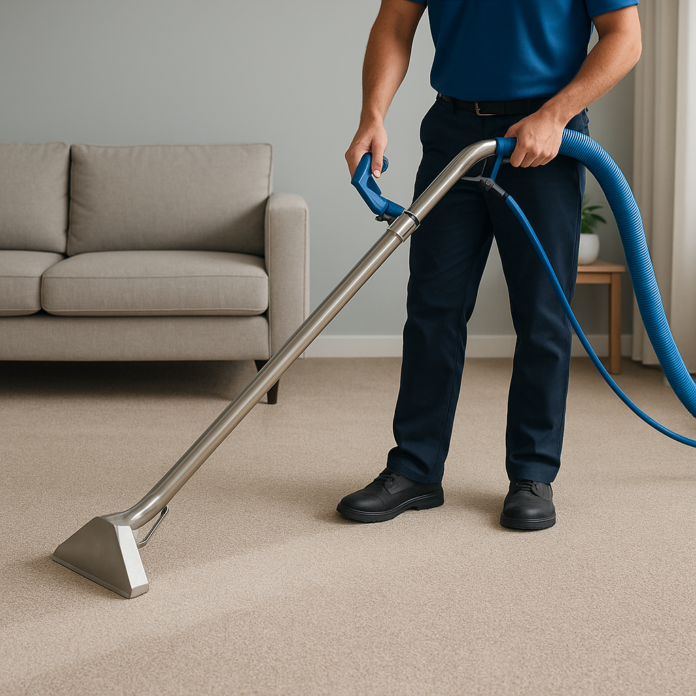
Start by asking which cleaning method the company uses and why it suits your carpet. Request details about the equipment, inspection, pre-treatment, agitation, extraction, and drying plan. A provider should explain the expected dry time and any steps you should take afterward, especially if you have pets, children, or limited ventilation.
For an initial service option, review carpet cleaning los angeles and compare its stated scope with other local estimates.
Request an itemized quote that identifies room-size rules, minimum charges, stairs, furniture moving, difficult stains, deodorizing, and other add-ons. Ask whether the price is fixed or can change after an on-site inspection.
If fragrance or chemical exposure concerns you, ask for product names or clear product categories. Treat broad environmental claims cautiously unless the company can point to specific ingredients, standards, or third-party evidence.
Before booking, read the cancellation terms, satisfaction policy, damage procedures, arrival window, and conditions for extra charges. The written policy should also clarify what happens if the carpet remains damp longer than expected or a stain cannot be removed.
How Often Should Carpet Be Professionally Cleaned?
Most carpets do not follow one universal professional-cleaning schedule. Book service based on traffic, occupants, carpet condition, and the manufacturer’s care instructions, then schedule it sooner when spills, odors, or heavy soiling appear.
A low-traffic home without pets may need less frequent service than a household with children, animals, indoor shoes, or allergy concerns. Carpets in entryways, hallways, rentals, offices, and other busy areas may also require more attention than lightly used bedrooms. Visible soil, flattened traffic lanes, persistent odors, and recurring spots are practical signs that routine maintenance is due.
Check the carpet manufacturer’s instructions before choosing a cleaning method or applying a product. EPA guidance does not establish one schedule for every carpet. Instead, it advises following manufacturer recommendations and applicable industry standards, according to EPA guidance on mold cleanup.
Professional cleaning should support regular vacuuming and prompt spill response, not replace them. If carpet or padding becomes wet, moldy, or affected by water intrusion, treat the problem as a possible moisture issue rather than a routine appointment. EPA notes that porous materials may be difficult or impossible to clean completely once moldy.
What Should You Ask Before Booking?
Before booking, ask for a written quote, a precise service scope, and a realistic drying plan. Confirm who will perform the work and what the price does, and does not, include.
- Ask whether the quote covers every carpeted area, stairs, spot treatment, deodorizing, and any additional services. Clarify whether pricing can change after inspection.
- Confirm parking, building access, elevator reservations, and arrival requirements. Ask who must move furniture, which items the crew will not move, and whether rooms need to be cleared beforehand.
- Ask how long the carpet may remain damp, what ventilation is recommended, and when people, pets, and furniture can return.
- Disclose delicate fibers, previous stain treatments, strong odors, pets, recurring spots, and any sensitive occupants. These details may affect the method or products used.
- Mention any water exposure, damp padding, or possible mold before scheduling routine cleaning. A moisture problem may require assessment rather than a standard appointment.
- Ask what results are realistic. Stains, wear patterns, dye loss, odors, and prior damage may not disappear completely.
Choose the provider that explains limitations, pricing, responsibilities, and drying requirements clearly before arriving.
For more coverage on this topic, see related articles on our publishing site.