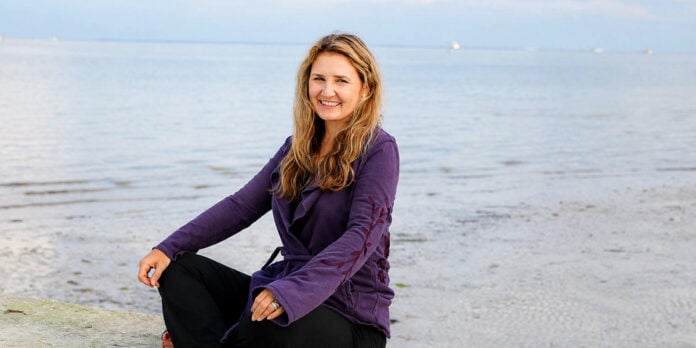
Dr. Sara Spowart, Founder of Compassion-Based Happiness. takes a trauma-informed approach to mental health care. Her work focuses on people who are living with the effects of overwhelming experiences.
Trauma does not affect memories only; it can be seen reflected in emotions, relationships, behavior, self-image, and daily functioning. People tend to remain on alert long after a threatening experience has ended. Some withdraw, struggle with trust, or repeat patterns that once helped them survive.
Trauma-informed care is an approach that recognizes the effects of trauma and seeks to prevent retraumatization. Safety, trust, collaboration, empowerment, and choice are very important to this model. Hence, Dr. Sara Spowart integrates these principles into a broad clinical philosophy, where she gives clients space to understand their experiences while developing practical ways to move toward greater stability and wellbeing.
Dr. Sara Spowart’s credentials include a Clinical Doctorate in Marriage and Family Therapy, a Master’s in Marriage and Family Therapy, a Master’s in Happiness Studies, and a PhD in Public Health focused on mindfulness and happiness. She is also a Florida Licensed Marriage and Family Therapist.
Why Trauma-Informed Therapy Requires a Different Approach
Trauma responses are highly individual. A person may experience anxiety, emotional distress, difficulty regulating feelings, relationship problems, or changes in behavior. Childhood trauma can also continue to affect people into adulthood.
This is why trauma-informed therapy does not treat every client according to the same formula. It recognizes individual experiences and creates conditions that support safety and personal choice.
Dr. Sara Spowart describes her work as deeply individualized. Her practice supports adults and children affected by trauma, abuse, and prolonged extreme stress. With children, she incorporates self-compassion, play therapy, and mindfulness. With adults, her work draws on several established therapeutic approaches. These include EMDR, Dialectical Behavior Therapy, Rational Emotive Behavior Therapy, Solution-Focused Therapy, Narrative Therapy, attachment-based therapy, mindfulness, hypnotherapy, the Safe and Sound Protocol, and more.
Dr. Sara Spowart and the Path From Survival to Stability
Under Compassion-Based Happiness, the goal is to move from survival toward stability and, eventually, greater happiness.
However, for someone affected by trauma, the first goal is usually not happiness. It’s feeling safe enough to slow down and understand what is happening internally. Therapy can then focus on emotional regulation, self-understanding, relationships, and healthier coping patterns.
Dr. Sara Spowart utilizes clinical training in DBT, personality disorder treatment, clinical hypnotherapy, EMDR, and mindfulness-based interventions to approach therapy from this angle.
What Compassion-Based Trauma Therapy Can Address
Trauma therapy can involve more than processing a difficult event. It can also examine the patterns that developed around that experience.
At Compassion-Based Happiness, trauma-focused work may address:
-
Trauma, abuse, violence, and post-traumatic stress.
-
Childhood trauma and its effects in adulthood.
-
Emotional regulation and intense emotional responses.
-
Anxiety, stress, and burnout.
-
Relationship difficulties and attachment concerns.
-
Negative patterns that continue after difficult experiences.
Dr. Sara Spowart also offers individual therapy, couples counseling, family therapy, and support for children and adolescents. Her couples work focuses on secure attachment and the relationship as a system.
Compassion, Mindfulness, and the Pursuit of Happiness
Compassion-Based Happiness connects clinical therapy with mindfulness and the study of happiness. Dr. Sara Spowart has also developed an approach called Happiness-Based Mindfulness.
The practice is informed by her training in mindfulness-based interventions. She has taught Mindfulness-Based Cognitive Therapy and offers mindfulness-focused programs that address compassion, awareness, and happiness. In trauma recovery, this perspective is valuable; healing does not require pretending that painful experiences never happened. It can involve learning how to respond to those experiences differently.
Care That Respects the Client’s Pace
Trauma-informed therapy places importance on psychological safety. The pace of therapy matters because pushing too quickly can make treatment harder for someone who already feels overwhelmed.
Dr. Sara Spowart describes her practice as a boutique, one-on-one model. She aims to provide support that fits each person’s needs. The practice also offers one-hour sessions and longer two- to three-hour intensives.
Therapy should give clients room to participate in their own recovery. It should also help them build skills they can carry into daily life.
A Broader Vision for Healing
Dr. Sara Spowart sees mental health care as part of a larger process of building peace, connection, resilience, and happiness. Her work combines psychotherapy with mindfulness and other clinical approaches.
Her practice also extends beyond the therapy room. She has participated in humanitarian projects focused on education, orphan care, and supporting women’s livelihoods. Her published work includes You Are Love: The Discovery of Happiness and contributions related to global mental health and humanitarian assistance.
Through personalized, one-on-one counseling, Dr. Sara Spowart works with the client to understand the effects of painful experiences, respect their pace, and work toward healthier patterns.
Connect with Dr. Sara Spowart on LinkedIn to explore trauma-focused services.