Publication date: June 27, 2024
Mental health conversations moved beyond the counsellor’s office in Macomb, Illinois, in April, as high-school students gathered for a sensitization session on stress, emotional distress and when to seek help.
Bukola Fagbemi led the discussion on early recognition, responsible peer support and the importance of involving trusted adults or qualified professionals when emotional pressures become difficult to manage.
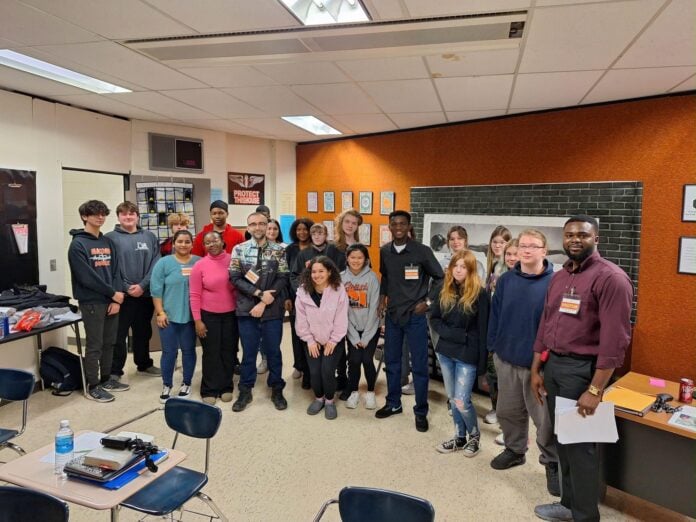
The sensitization, held on April 29, 2024 at Macomb High School, drew about 30 students alongside teachers, counsellors and other Public Health Students from Western Illinois University.
The program focused on stress management, emotional wellbeing, early recognition of distress and the role students can play when a friend appears to be struggling.
The US Times gathered from a press release issued by the school that the program addressed some of the pressures facing young people. During a follow-up interview with the newspaper, Fagbemi explained that the sensitization was designed to make conversations around mental health easier for teenagers and help them understand that seeking support should not begin only when a situation has reached crisis point.
“Young people are dealing with pressures that are not always visible to the people around them,” Fagbemi said. “The earlier they understand that it is okay to talk about what they are experiencing and ask for help, the better the chance of getting the right support before the situation becomes more difficult.”
A one-hour interactive session was the highlight of the event. Students shared their personal experiences with pressure and received feedback from specialists at the event. Responding to a question, Dr. Furoa highlighted how changes in mood, difficulty coping with normal activities, and sudden changes in participation at school or in social activities can signal that a young person may need additional support.
Fagbemi cautioned, however, against treating every difficult emotion as evidence of mental illness.
Another session led by Victor focused on helping participants distinguish between ordinary periods of stress and persistent difficulties that may require additional support.
Peer relationships featured prominently in the discussion.
Students were told that friends can sometimes notice changes before parents or teachers do, particularly when someone becomes unusually withdrawn, stops taking part in activities, or repeatedly expresses hopelessness.
But Fagbemi stressed that noticing a problem does not make another student responsible for solving it.
Participants were encouraged to listen, take concerning statements seriously, and involve an appropriate adult where necessary.
To reinforce the practical lessons from the session, Fagbemi developed and distributed a participant resource based on her Mental Health First Aid training. The guide was designed to help students recognize possible signs of emotional or substance-use challenges, understand how to offer appropriate initial support and identify when a trusted adult or qualified professional should be involved.
Fagbemi made clear that the resource was not intended to replace diagnosis or clinical treatment, but to give young people a practical reference for responding more appropriately when they or their peers begin to show signs of distress.
The class teacher, who attended the session, described the program as a timely intervention that gave students practical guidance on recognizing emotional distress, supporting their peers and knowing when to seek help from an adult or professional.
“The students were very engaged and asked practical questions about stress, supporting friends and when to seek help,” the Counsellor said. “The session gave them clear, relatable guidance on issues they may encounter in everyday school life.”
The sensitization took place as Illinois stepped up efforts around the mental and behavioral health of school children.
Earlier in February, Governor J.B. Pritzker backed proposals aimed at restricting cellphone use during school hours, with student wellbeing among the concerns driving the initiative. Illinois education authorities were also advancing plans for universal mental-health screening in schools, with a March 2025 readiness report setting out recommended phases towards statewide implementation by the end of the 2027-28 school year.
Macomb schools already provide access to counsellors, social workers and school psychologists for students experiencing anxiety, depression or other emotional difficulties.
For the students at Macomb High School, however, the March program dealt with the issue at a more immediate level: what happens when a young person first notices that something is wrong?
Fagbemi said the objective was to leave participants with practical steps they could remember after the program: recognize sustained changes, talk to someone they trust, and know when a concern requires adult or professional attention.
The session closed with questions from students, followed by guidance on the school’s available counselling and support channels for anyone who might need further help.
The session ended with a practical reminder; a friend may be the first person to notice that something has changed. The next important step is knowing when listening is enough and when somebody better equipped to help needs to be brought into the conversation.