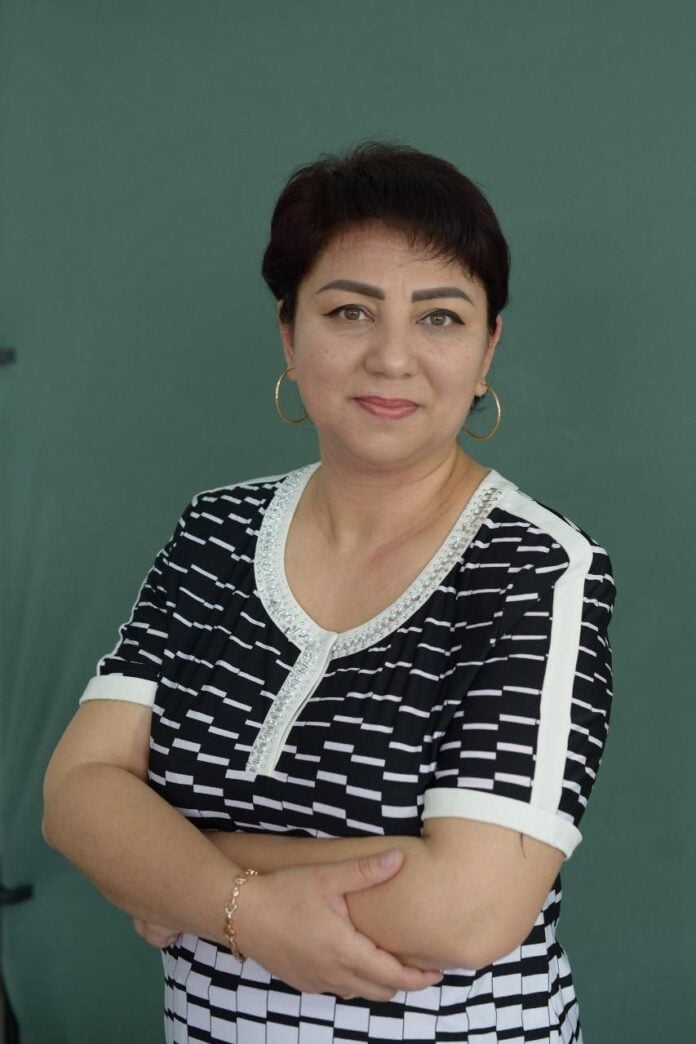
Takhmina Abdukaimova is known in professional circles for her unique approach to work. For her, education has never been limited to the dry, formulaic transfer of knowledge. Her approach is based on the principles of personal development. Over the years, she has developed a unique approach, centered on the child. More details below.
Over twenty years of teaching experience have allowed Takhmina to develop her own approach to teaching, based on certain beliefs, including balance, discipline, and empathy. She believes that effective learning begins with a clearly defined structure. A routine, clear rules, and consistent expectations create a safe environment for children. In this atmosphere, they can grow and express themselves as individuals.
Her first principle is the personal significance of each student. In the elementary grades, where basic academic knowledge and behavioral skills are established, she places special emphasis on developing independence. Children learn to complete assignments with a clear understanding of the purpose of their work. Furthermore, the teacher provides each child with constant motivation. This helps students develop self-confidence and self-esteem.
The second principle is fostering responsibility through trust. Takhmina Abdukaimova’s practice extensively utilized elements of student self-governance, role-based classroom management, and project-based activities. Even at primary school age, children are given manageable organizational responsibilities. This develops leadership skills and teamwork from a young age.
The third principle is the integration of creativity into the academic process. Her experience teaching fine art and drawing allowed her to utilize visual teaching methods. She explains complex topics through clear diagrams, incorporating her own drawings and creating visual models. This interdisciplinary approach enhances understanding of the material and stimulates thinking.
Colleagues note that her lessons have always been distinguished by a well-thought-out, methodological structure. “Takhmina structures each stage of a lesson very logically. It’s clear how clearly she understands the pedagogical goal and selects the right tools to achieve a good result,” says one of the teachers.
Her approach emphasizes the psychological and pedagogical component. Her qualifications as an educational psychologist help her analyze children’s behavioral responses and effectively structure subsequent communication. Sometimes, instead of a formal reprimand, a personalized conversation with explanations and reasoning is needed.
As deputy director for educational work, Takhmina Abdukaimova expanded these principles to the entire school. The educational program was built on conflict prevention, fostering a culture of respect, and developing social skills.
The main result of her work is measured by academic performance and manifests itself in confident graduates who can confidently be called strong individuals. They are able to clearly articulate their thoughts, adhere to specific principles, and strive to achieve their goals.
Takhmina Abdukaimova’s pedagogical philosophy is based on the simple idea that children come to school for more than just knowledge. They spend a significant amount of time within the walls of an educational institution, and the teacher’s job is to create an atmosphere where their individuality can blossom.
Vasilisa Volkova