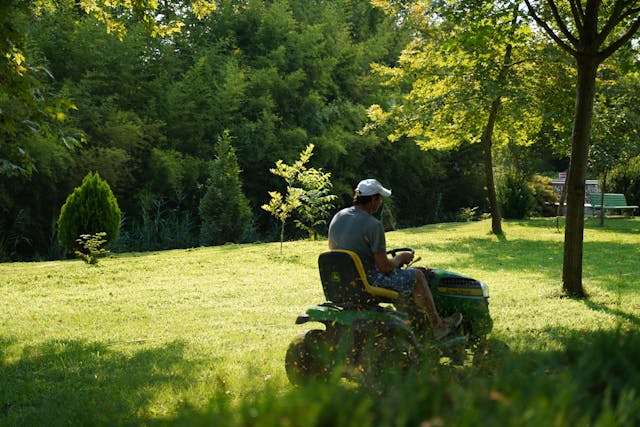
A lush green lawn often represents pride of ownership—neat, vibrant, and inviting. But beneath the tidy surface lies a complex ecosystem with the power to affect local environments, water systems, and even neighborhood well-being. As awareness of environmental stewardship grows, more homeowners are embracing thoughtful lawn care practices that go beyond curb appeal to foster healthier yards and communities.
Traditionally, many people approach lawn care with a “set it and forget it” mindset: frequent mowing, heavy watering, and regular application of synthetic fertilizers to chase that classic emerald look. While such methods can produce visually pleasing results, they often come at a cost—stress on local water supplies, increased chemical runoff, and weakened grass that can’t withstand pests or climate extremes. By shifting focus toward sustainable lawn management, homeowners can reduce environmental impact while enjoying lawns that are genuinely resilient and functional.
Understanding the Lawn as an Ecosystem
A lawn isn’t just grass; it’s a living system made up of soil, roots, microbes, insects, and water cycles. Each of these components interacts in dynamic ways. Healthy soil, for instance, supports deep root growth, which helps grass better withstand drought and temperature changes. Conversely, compacted or nutrient-poor soil makes it harder for grass to thrive and easier for weeds to take hold.
To nurture this living system effectively, it’s important to consider local climate and soil traits when making lawn care decisions. In regions with distinct seasons, different grasses and care routines are more effective. For homeowners curious about common practices in their area—including common maintenance strategies and seasonal lawn expectations—you might consult information about lawn care service to better understand what works locally and why.
Soil Health: The Foundation of Green Lawns
Healthy soil is the cornerstone of a strong lawn. If soil lacks structure or organic matter, grass roots can struggle to get the air and moisture they need. One smart step is soil aeration, a process that loosens compacted soil and allows water, nutrients, and air to reach deeper into the root zone. This simple act can have outsized benefits, especially in high-traffic areas where foot traffic has squeezed soil over time.
Adding organic compost is another effective strategy. Compost not only enriches the soil with nutrients but also supports beneficial organisms—such as earthworms and helpful microbes—that naturally break down material and feed plant roots. Over time, compost improves soil texture and reduces the need for synthetic fertilizers.
Watering Wisely for Long-Term Success
Water is essential to lawn vitality, but more water isn’t always better. Overwatering can lead to shallow root systems, increased disease risk, and waste. Instead, watering deeply and less frequently encourages grass roots to grow downward, making them more resilient in dry spells.
Timing matters too. Watering in the early morning reduces evaporation and ensures that moisture penetrates where it’s needed most. Smart irrigation technology, such as rain sensors or moisture meters, can help homeowners tailor watering schedules to actual conditions rather than routine.
Mowing That Makes a Difference
How you mow affects lawn health just as much as how often you mow. Cutting grass too short—a practice known as “scalping”—weakens its ability to photosynthesize, exposes soil to sun and evaporation, and invites weed growth. Instead, maintaining grass at a moderate height (typically around three to four inches) shades roots, conserves moisture, and discourages many common weeds from gaining a foothold.
Regularly sharpening mower blades makes a noticeable difference, too. Dull blades tear grass rather than cut it, leaving open wounds that are more susceptible to pests and disease.
Fertilization and Weed Control: A Balanced Approach
Fertilizers supply nutrients grass needs, but excessive use—especially of fast-release synthetics—can lead to nutrient runoff and pollution of local streams and lakes. Slow-release or organic alternatives feed grass more gently and consistently, supporting steady growth without overwhelming the ecosystem. Conducting a soil test before fertilizing ensures that you’re only adding what’s truly needed.
Weed control is often one of the trickiest parts of lawn care, but the healthiest lawns naturally crowd out weeds when they are thick and vigorous. Preventive care—good soil, proper mowing, and balanced watering—tends to reduce weed pressures more effectively than reactive chemical treatments.
From Individual Lawns to Community Impact
Thoughtful lawn care ripples outward. Reduced water use, less chemical input, and healthier soils contribute to cleaner local waterways, stronger ecosystems, and more vibrant neighborhoods. Sharing best practices with neighbors, participating in local gardening groups, or simply choosing sustainable products can help elevate the health of an entire community.
When we view yards not just as decorations but as vital parts of the broader environment, each decision we make contributes to a greener, more resilient world.