Artificial Intelligence (AI) has become a transformative force across industries, but its impact on the automotive sector is particularly groundbreaking. From self-driving cars and smart manufacturing to personalized driving experiences and predictive maintenance, AI is revolutionizing how vehicles are designed, produced, and operated.
This article explores how AI is reshaping the automotive industry, highlighting its applications, benefits, challenges, and the future it promises.
AI and the Evolution of the Automotive Industry
The automotive industry has always been a hub of technological innovation. Over the past century, it has progressed from steam-powered vehicles to gasoline engines and now to electric cars. Today, AI marks the next frontier of transformation.
Unlike previous innovations, as discussed on EVBlogs, that focused primarily on engines and performance, AI introduces intelligence into vehicles. Cars are no longer just machines for transportation—they are becoming smart companions capable of analyzing data, making decisions, and learning from user behavior.
Applications of AI in the Automotive Sector
1. Autonomous Driving
Perhaps the most widely recognized application of AI in the automotive industry is self-driving cars. Using machine learning, computer vision, and sensor fusion, AI systems can interpret road conditions, detect obstacles, and make split-second decisions.
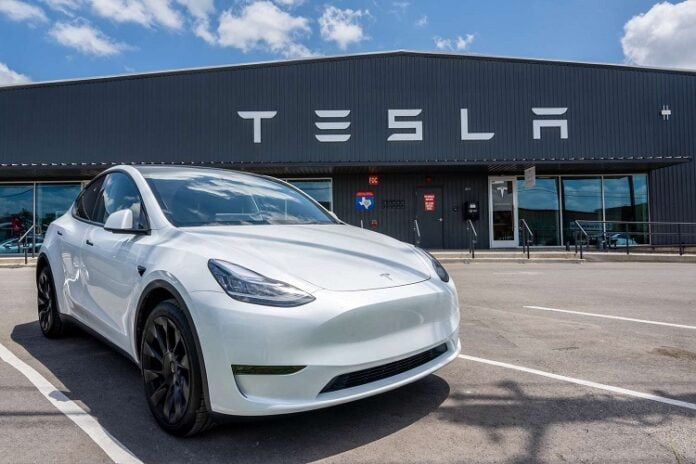
- Tesla has popularized autonomous features with its Autopilot system.
- Waymo and Cruise are testing fully driverless vehicles in urban environments.
- Major automakers like BMW, Audi, and Mercedes-Benz are also investing heavily in autonomous driving technology.
Autonomous driving promises safer roads, reduced accidents, and greater mobility for individuals unable to drive, such as the elderly or disabled.
2. Predictive Maintenance
AI helps monitor vehicle health in real-time. By analyzing sensor data, AI systems can predict when components are likely to fail, allowing timely maintenance.
This reduces repair costs, minimizes breakdowns, and extends vehicle life. For fleet operators and logistics companies, predictive maintenance can mean substantial savings and improved efficiency.
3. Smart Manufacturing
AI is also reshaping how vehicles are built. Automotive manufacturers use AI in their production lines to:
- Automate repetitive tasks with robotics.
- Detect quality issues using computer vision.
- Optimize supply chains and reduce production delays.
Companies like Toyota and Volkswagen employ AI-driven systems to improve efficiency and maintain high quality in vehicle manufacturing.
4. Driver Assistance Systems
Advanced Driver Assistance Systems (ADAS) powered by AI are already common in modern cars. These include:
- Lane departure warnings.
- Adaptive cruise control.
- Emergency braking systems.
- Blind-spot detection.
By assisting drivers in critical situations, ADAS enhances safety and reduces the likelihood of accidents.
5. Personalized Driving Experience
AI enables cars to learn about drivers’ habits, preferences, and routines. For example, smart infotainment systems recommend routes, adjust climate controls, and suggest entertainment options based on past behavior.
Some luxury brands even integrate AI-powered voice assistants, allowing drivers to interact with their vehicles naturally, much like they would with smartphones.
6. Traffic Management and Smart Cities
Beyond individual cars, AI plays a crucial role in traffic optimization. By analyzing real-time data from vehicles, cameras, and sensors, AI can:
- Reduce congestion.
- Optimize traffic light timings.
- Enhance urban mobility planning.
As cities adopt “smart city” concepts, AI-driven traffic management will become integral to reducing pollution and improving transportation efficiency.
Benefits of AI in the Automotive Industry
- Enhanced Safety – AI reduces human error, which accounts for the majority of traffic accidents worldwide.
- Cost Efficiency – Predictive maintenance and automated manufacturing lower operational expenses.
- Environmental Impact – AI optimizes fuel consumption and supports the shift to electric mobility, reducing emissions.
- Convenience – Personalized AI assistants and automated features simplify driving experiences.
- Accessibility – Self-driving cars can provide mobility for individuals who are unable to drive.
Challenges of Implementing AI in Automotives
Despite its potential, AI adoption in the automotive industry faces several challenges:
- Safety Concerns: Fully autonomous cars must navigate complex and unpredictable real-world environments. Ensuring 100% safety remains a major hurdle.
- Regulatory Issues: Governments worldwide are still developing laws and standards for AI-driven vehicles.
- High Costs: Developing AI systems and integrating advanced sensors significantly increase vehicle costs.
- Data Privacy: Cars generate massive amounts of data about users’ habits and locations, raising concerns about security and privacy.
- Public Trust: Many consumers remain hesitant to rely entirely on AI-driven vehicles, especially in critical situations.
Case Studies: How AI is Already Transforming Automotives
- Tesla’s Autopilot has pushed public awareness of autonomous driving, with its cars capable of lane changes, parking, and navigating highways with minimal input.
- Waymo, a subsidiary of Alphabet, operates autonomous ride-hailing services in select U.S. cities, showcasing the practicality of driverless taxis.
- BMW’s AI Factory employs smart robotics and predictive analytics to streamline production processes, reducing costs and errors.
These case studies prove that AI is not a futuristic concept—it is already here, influencing the way cars are built and driven.
The Future of AI in the Automotive Industry
Looking ahead, AI is expected to drive several key innovations in the automotive space:
- Level 5 Autonomy – Cars will eventually achieve full self-driving capability without human intervention.
- AI-Powered EVs – Electric vehicles will leverage AI for smarter energy management, extending battery life and optimizing charging.
- Augmented Reality (AR) Dashboards – Future vehicles may use AI-powered AR to display navigation, hazard warnings, and performance data directly on windshields.
- Integration with Smart Cities – AI will synchronize cars with urban infrastructure, creating seamless traffic ecosystems.
- Shared Mobility – AI will optimize ride-sharing services, improving efficiency and lowering costs.
By 2035, experts predict AI will be standard in most new vehicles, making roads safer and mobility more efficient.
Conclusion
Artificial Intelligence is not just enhancing the automotive industry—it is redefining it. From autonomous driving to personalized in-car experiences, AI ensures that vehicles are smarter, safer, and more sustainable than ever before.
While challenges such as regulation, safety, and costs remain, the momentum behind AI-powered automotives is unstoppable. As automakers, tech companies, and governments continue to collaborate, AI will pave the way toward a future where driving is safer, cities are smarter, and transportation is seamlessly integrated into daily life.
For both consumers and manufacturers, embracing AI is no longer optional—it’s essential for navigating the future of mobility.